September 7, 2016 by HeartBeat Digital
Asthma in young children is one of the most common causes of hospital admissions and doctor visits in this age group. Until the age of 5, asthma can be difficult to diagnose due to the many possible causes of wheezing and coughing at that age.
Once your doctor has determined that asthma is the diagnosis, treatment often involves a series of trials with different medication doses. The goal of effective asthma management is to help children lead a normal and healthy life while using only the amount of medication needed to keep symptoms under control and prevent asthma attacks.
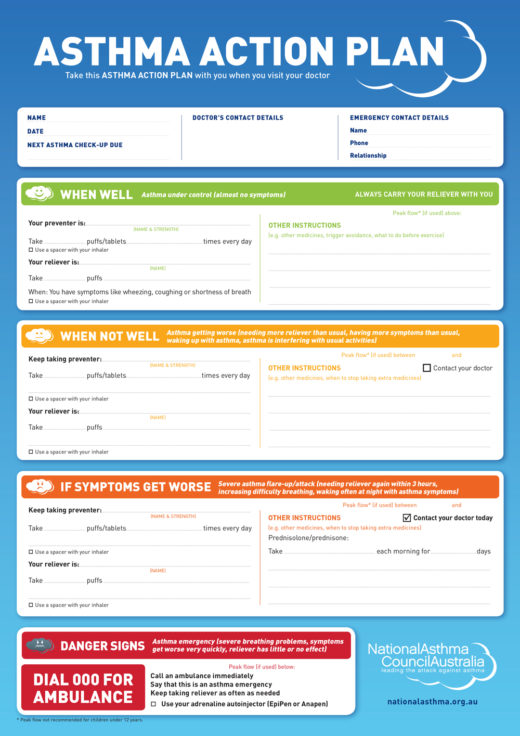
As children often spend time away from home at school, childcare, or with family and friends, it is important that carers are aware of the child’s asthma symptoms and know what to do in an emergency. Parents can provide carers with a copy of their child’s Asthma Action Plan and asthma first aid information.
What is Asthma?
Asthma is a condition affecting the airways, which are the small tubes that carry air in and out of the lungs. During asthma symptoms, the muscles around the airways tighten, the airway lining swells, and sticky mucus is produced. These changes narrow the airways, making it harder for air to move in and out of the lungs.
Symptoms may include:
- Coughing
- Tight feeling in the chest
- Wheezing – a whistling noise when breathing
- Shortness of breath
- Difficulty breathing
These symptoms are often worse at night, early in the morning, or during exercise.
Children may also:
- Eat or drink less
- Cry frequently
- Have tummy aches or vomiting
- Become tired quickly
- Become more puffed out than usual when running or playing
Asthma triggered by exercise may be improved with medication and warm-up exercises.
Triggers of Asthma
Every child is different, and asthma triggers can vary from person to person.
The most common asthma triggers include:
- Allergens such as house dust mites, pollen, pets, and mould
- Cigarette smoke
- Viral infections such as colds and flu
- Weather changes, cold air, and thunderstorms
- Work-related triggers such as wood dust, chemicals, and metal salts
- Certain medications
Asthma is a treatable health condition. Although there is currently no cure, good management allows people with asthma to live normal and active lives.
If your child experiences wheezing, coughing, or breathing difficulties, it is important to speak with your GP about asthma treatment and management.
Asthma Emergency Plan – Source: National Asthma Council Australia
Categories: Children’s Health