
All About Blood Tests, And Why You Might Need One
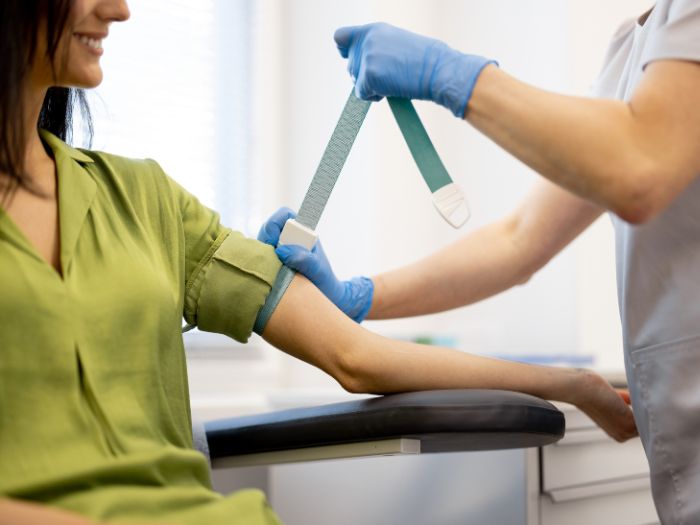
“Blood test” might not be the prettiest name, but their importance can’t be underestimated.
A simple blood test can check for a massive range of conditions:
- Lipid Panel, total cholesterol
- Complete Blood Count (CBC), red and white blood cells
- Glucose
- Kidney function
- Liver function
- Vitamin, D, B12
- Iron and folate
- Cancer markers
- Immune system functions
- Hormone levels
There are more too, almost too many to list.
Put simply, blood tests are powerful diagnostic tools that help detect, diagnose, and monitor a wide range of health conditions.
How long since your last blood test?
The recommended frequency can vary depending on things like your age, health status, family history and lifestyle which is why talking to a doctor is so important.
But in general:
Young Adults (19-39 years)
- Every 2-5 years: Healthy individuals, including CBC, lipid panel, and basic metabolic panel
- Annually: Those with risk factors (obesity, high blood pressure, family history of diabetes, high cholesterol)
Middle-Aged Adults (40-64 years)
- Every 1-2 years: Monitor cholesterol, blood sugar, liver and kidney function, thyroid function.
- Annually: Those with risk factors (family history of heart disease, diabetes)
Seniors (65+ years)
- Annually: Monitor overall health, manage chronic conditions, and detect new issues. Recommended tests include CBC, metabolic panel, lipid panel, kidney and liver function
- More frequently depending on medical advice
Special Considerations
- More frequent tests may be necessary for chronic conditions
- Medication monitoring
- Symptoms: Contact us if you’re experiencing unusual symptoms for potential blood tests
Naturally, understanding how blood tests work, why they’re so important, and how convenient the process is can really give your health an advantage.
We dive deeper into blood tests
How blood tests work
Blood tests involve drawing a small sample of blood, usually from a vein in your arm, using a needle.
This process is quick and typically causes only minor discomfort. Some people do feel a little lightheaded during the process which is completely normal, so at Duff Street Medical Clinic, we offer a bed as well as a chair should you require it.
The sample is then analysed in a laboratory where various components and markers are measured.
The results can help diagnose conditions, monitor ongoing health issues, and guide treatment options and decisions.
Why they’re so important – 5 reasons
- Early Detection: Blood tests can detect early signs of conditions like diabetes, heart disease and even cancer. Early detection can often mean faster, simpler treatments.
- Monitoring Chronic Conditions: For those with existing health issues, regular blood tests help monitor conditions and adjust treatments as necessary.
- Preventive Health: Blood tests can identify risks of various diseases which allows you to make lifestyle changes if you need.
- Nutritional Problems: Not enough, or even too many vitamins and minerals can spell dietary adjustments or maybe the need for supplements.
- Medication Efficacy and Safety: Blood tests check that any medication you’re taking is working correctly and not causing unwanted side effects.
The Process
The words ‘blood’ and ‘test’ can certainly evoke a few feelings of concern for some people, but they’re simple standard checks that doctors perform all the time.
- Preparation: Depending on the type of test, you may need to fast for 8-12 hours before the blood draw. Your doctor will let you know.
- Blood Draw: A healthcare professional will clean the area on your arm, near the elbow, insert a needle into a vein, and collect the blood in one or more vials. You may need to lay down which is completely fine.
- After Drawing Blood: You may need to apply pressure to the site to stop any bleeding and prevent bruising. It’s generally a quick and easy process.
- Lab Analysis: The sample is sent to a lab where various tests are conducted. Results are usually available within a few business days.
- Follow-Up: Your doctor will review the results with you, explain what they mean, and discuss any necessary next steps.
FAQs
1. Do I need to fast before a blood test?
Not all blood tests require fasting, but tests like glucose and lipid panels (cholesterol) often do. This includes coffee too, meaning you can typically only drink water beforehand.
Follow your doctor’s instructions.
2. Can I drive to and from a blood test?
Yes, absolutely. You may need to wait a little while after your blood test just to ensure you’re not too woozy or lightheaded, but this differs from person to person.
3. Are blood tests painful?
Most people experience only minor discomfort during a blood draw. If you’re anxious or have concerns, let us know. We’re well prepared and experienced in helping our patients through blood tests.
4. How quickly will I get my results?
Most results are available within a few business days. Your doctor will inform you when to expect them and how you will receive them.
5. What if my results are abnormal?
Abnormal results are not always cause for alarm, it might mean you only need to change your diet or lifestyle slightly. Your doctor will explain the results to you and may recommend further testing or treatment.
In summary
Blood tests are nothing to worry about or postpone, in fact they are often a real time saver, money saver and most importantly, early detection for serious illness.
They offer insights that are often not visible through physical checks alone as many illnesses don’t show physical symptoms until the later stages.
If you haven’t had a blood test in a while, you may be due for one.
At Duff Street Medical Clinic, we’re committed to providing comprehensive care, including convenient and accurate blood testing.
Contact us today to discuss your blood test and take the next step towards better health.